
Cynthia Zhang
Spatial Designer

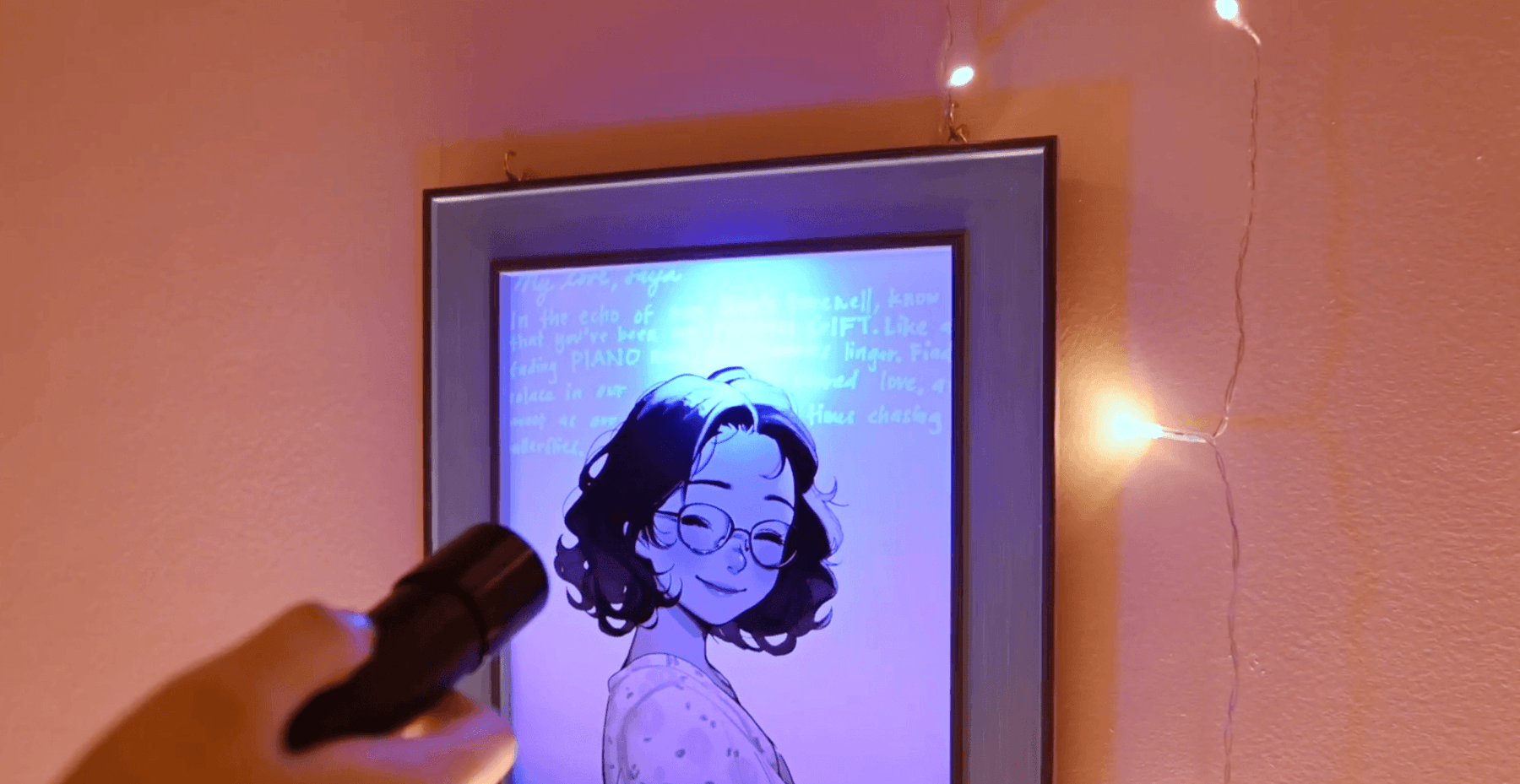
SAYA'S ROOM · IMMERSIVE EXPERIENCE
WELCOME TO SAYA'S ROOM
Saya's Room is an escape-room experience designed around emotional engagement. It combines immersive theatre and escape-room play, blending storytelling, puzzle-solving and physical interaction into a memorable journey.
Rather than designing fear for its own sake, we created a room where every object gradually reveals the relationship between a mother and her daughter. This page follows the thinking, making and testing behind that experience.
THE PEOPLE BEHIND THE ROOM
Four designers shaped the story, space, interactions and physical experience together.
Spatial Designer

Creative Technologist

Product Designer

Concept Designer

Mother's love is selfless. It crosses life, loss and every obstacle; even through illness, this mother remained devoted to her child.
NARRATIVE ARC
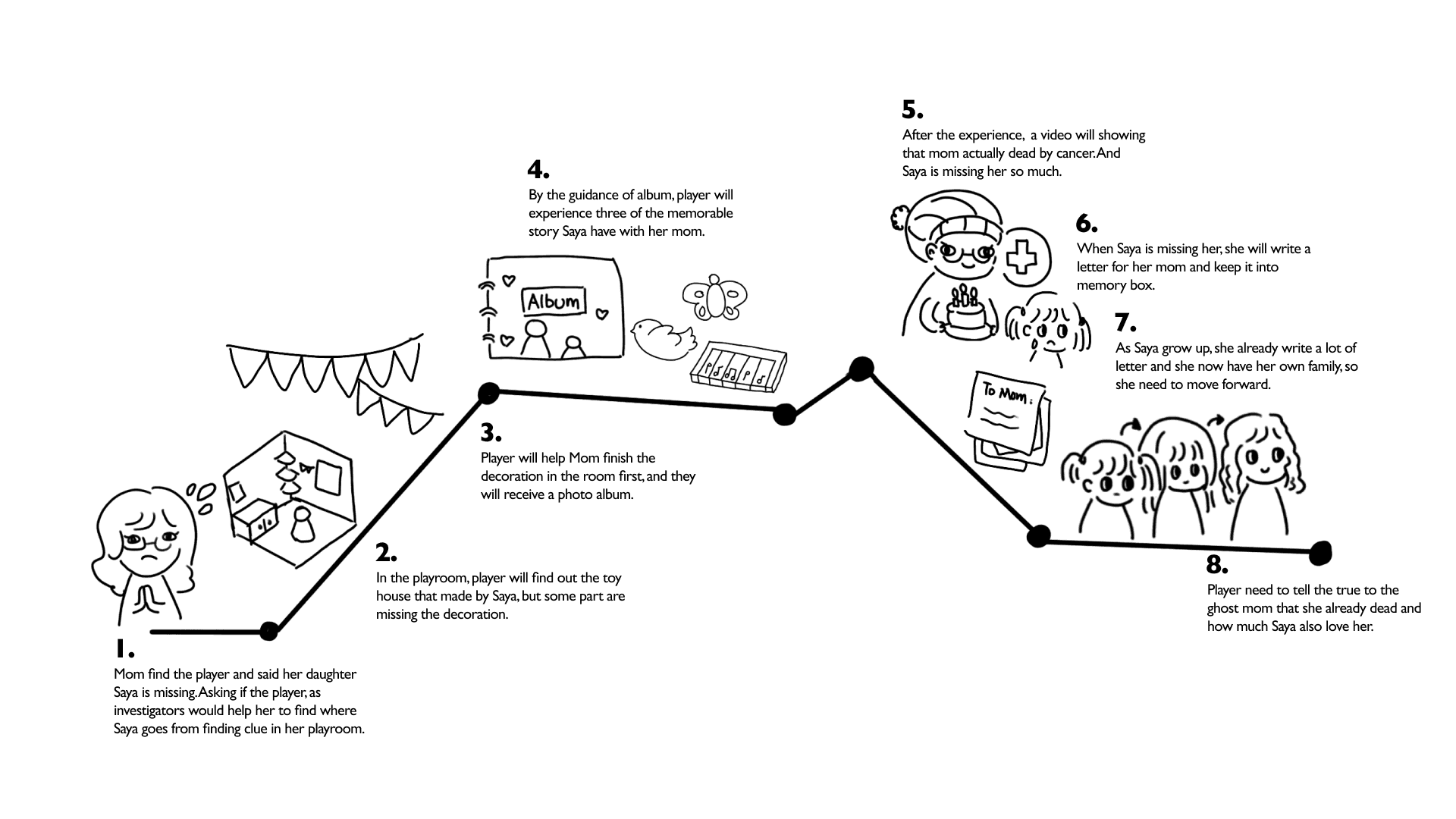
The player becomes an investigator entrusted by Saya's mother to look into her daughter's disappearance. Saya's mother prepared a surprise birthday party, but Saya vanished under mysterious circumstances. As players move through her room, each clue reveals more of the mother's devotion and the memories she created for her daughter.
The story eventually reveals that Saya's mother died from cancer. Her love remains inside the room through the objects, letters and rituals she left behind. The experience turns an investigation into a reflection on memory, grief and maternal love.
INTERACTION SYSTEM
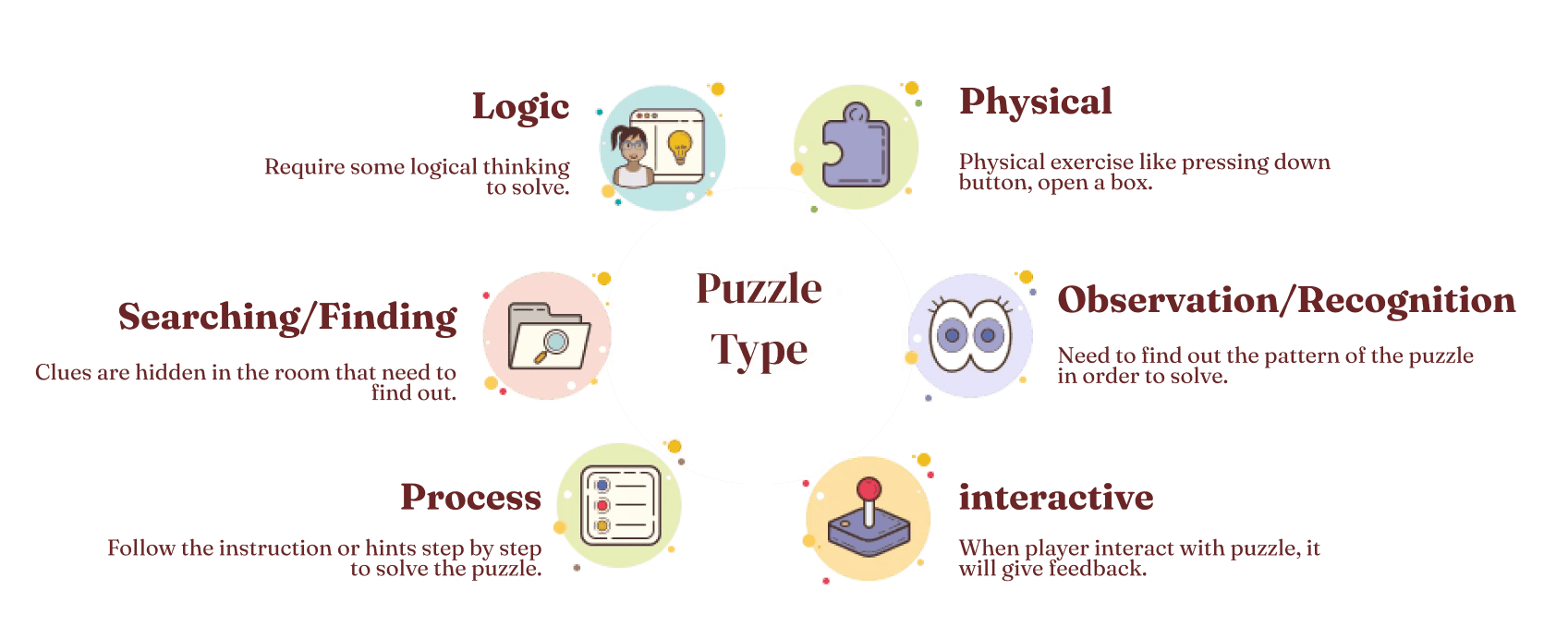
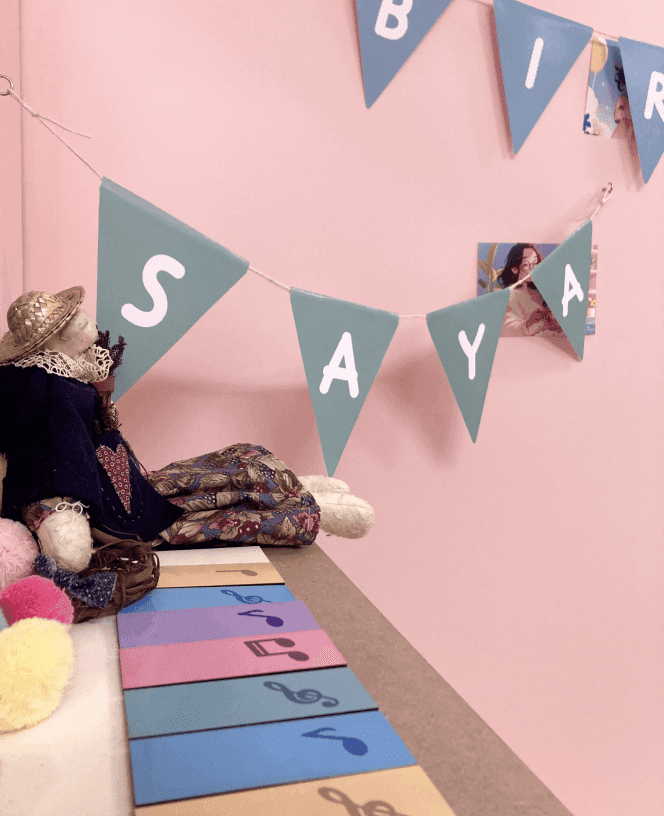
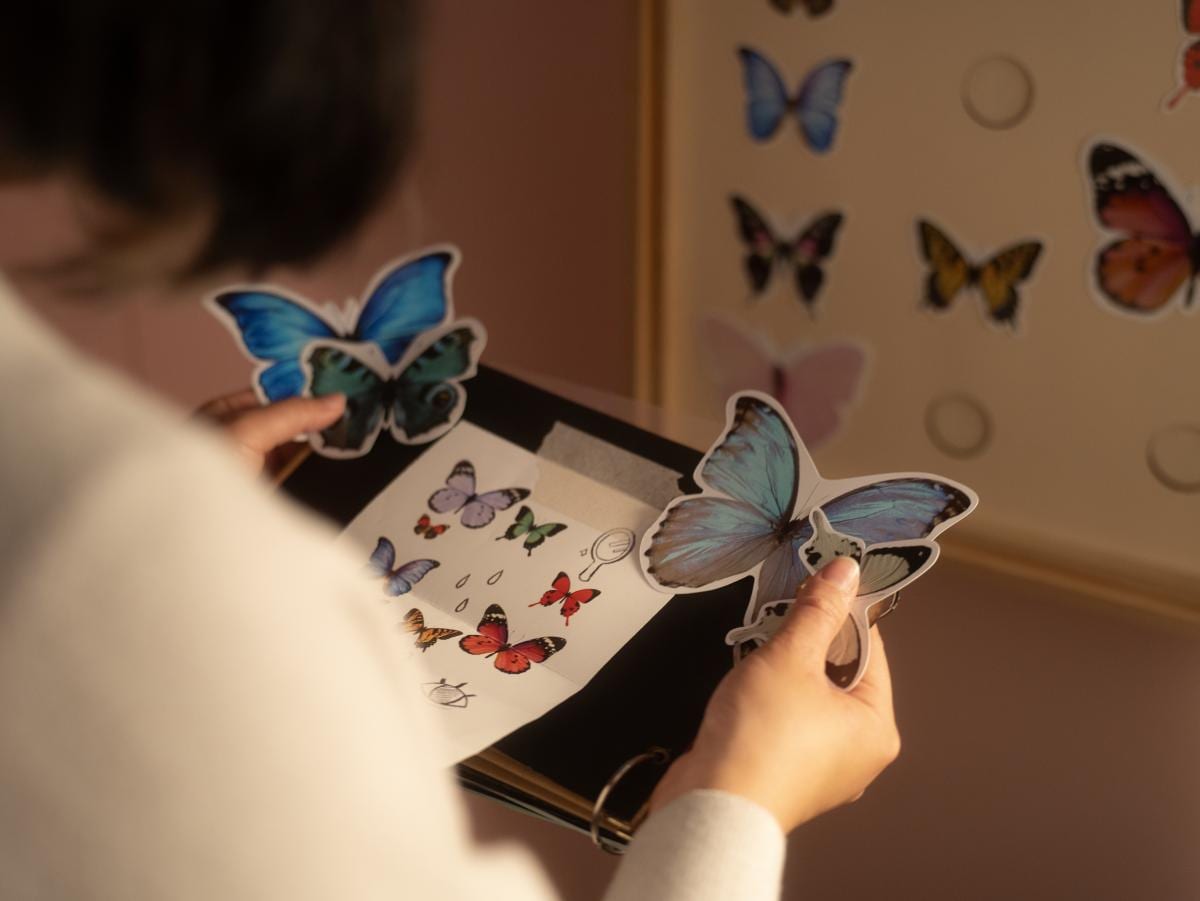
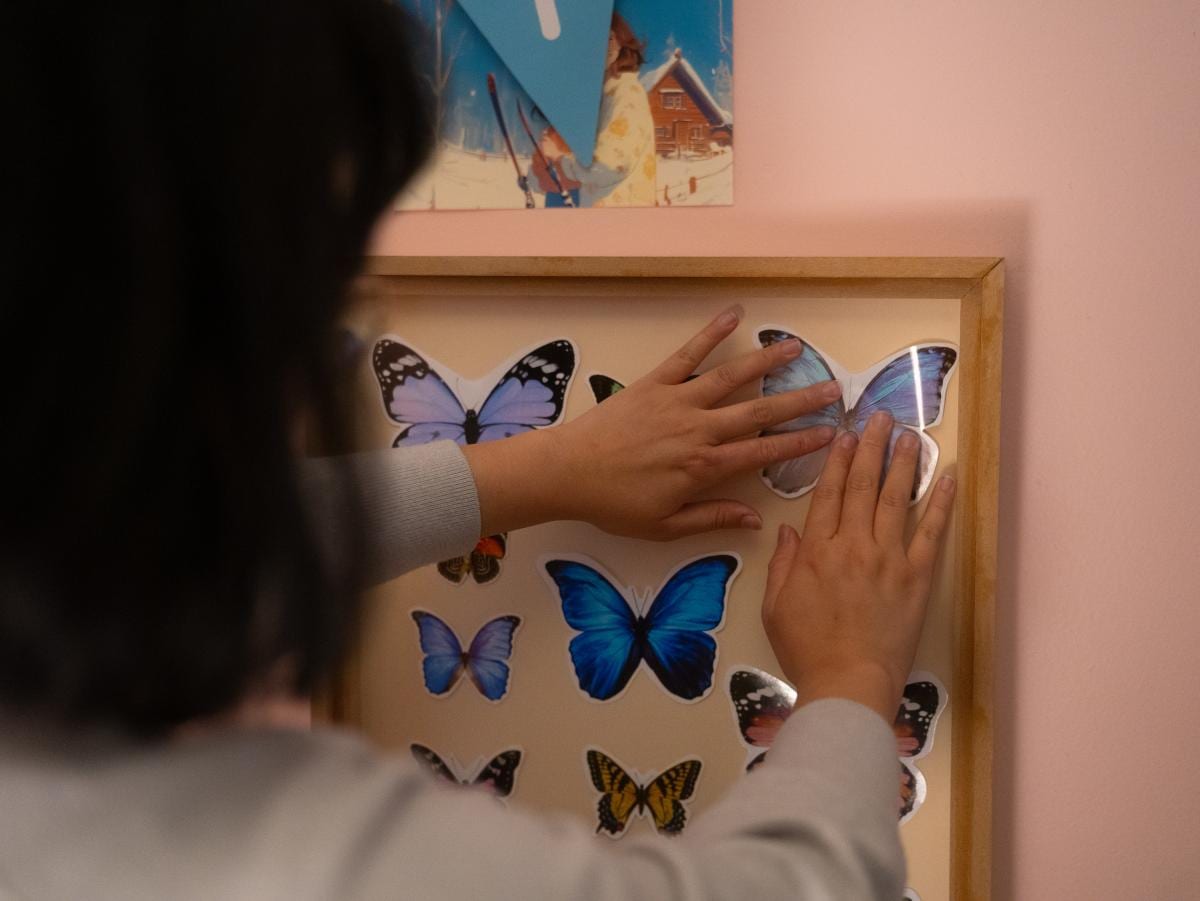
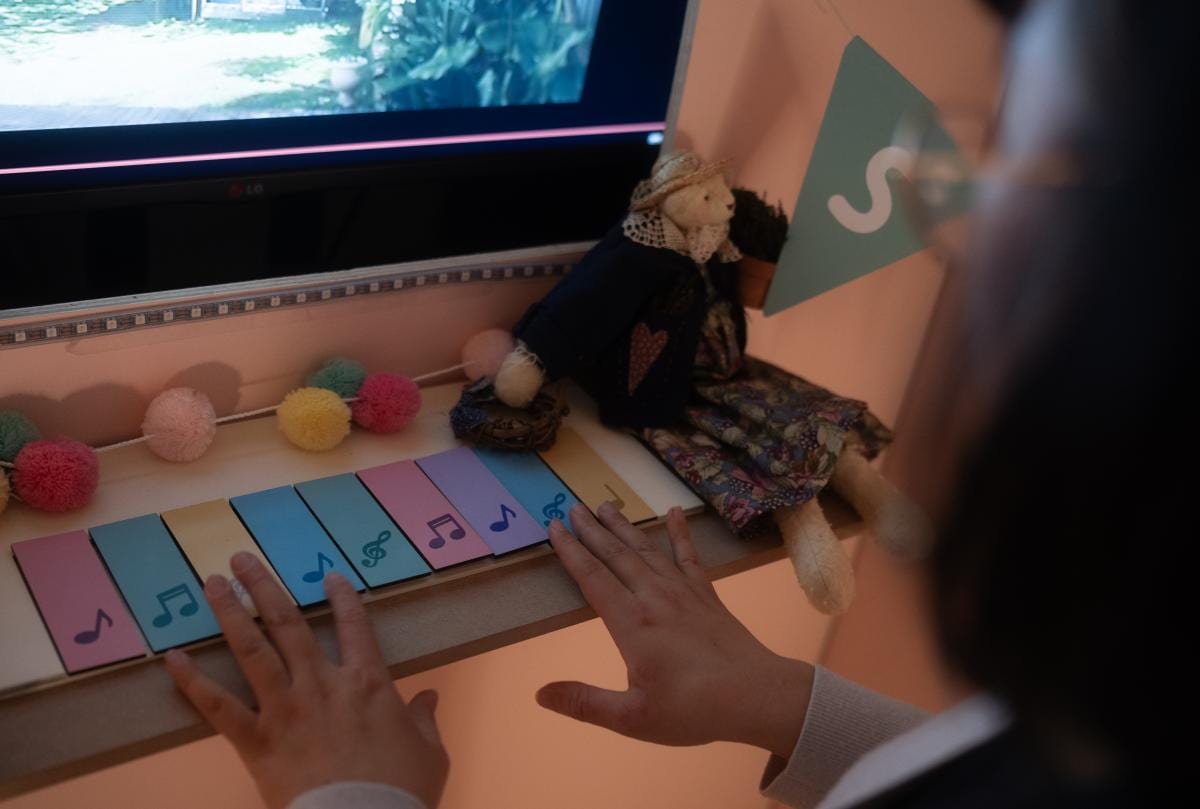
We designed the puzzles around childhood activities such as playing piano, searching, collecting items and recognizing familiar patterns. Logic, observation, physical actions and interactive feedback work together so that every solved puzzle advances both the game and the story.
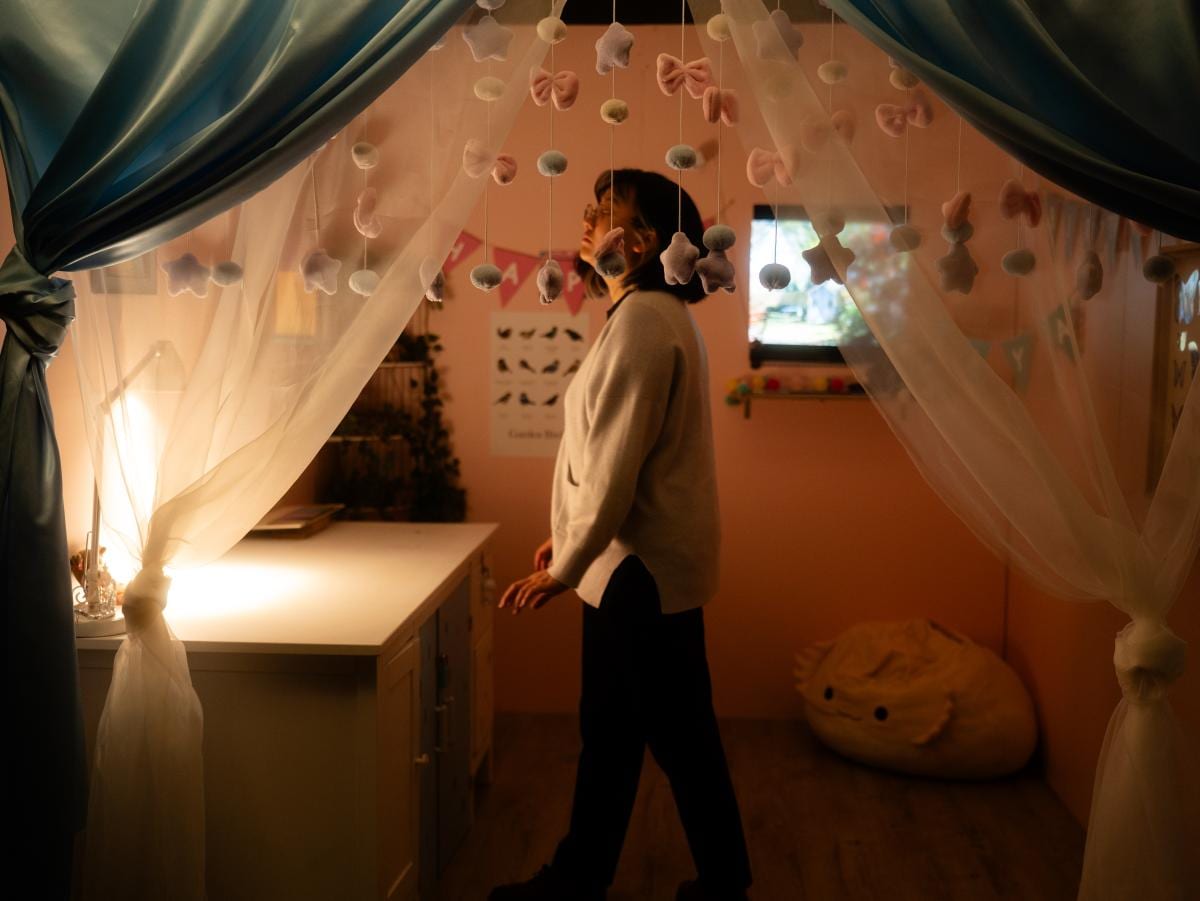
The playroom setting lets adults revisit childhood memories without turning the experience into horror. Each interaction is approachable on its own, while the complete sequence gradually changes the emotional meaning of the room.
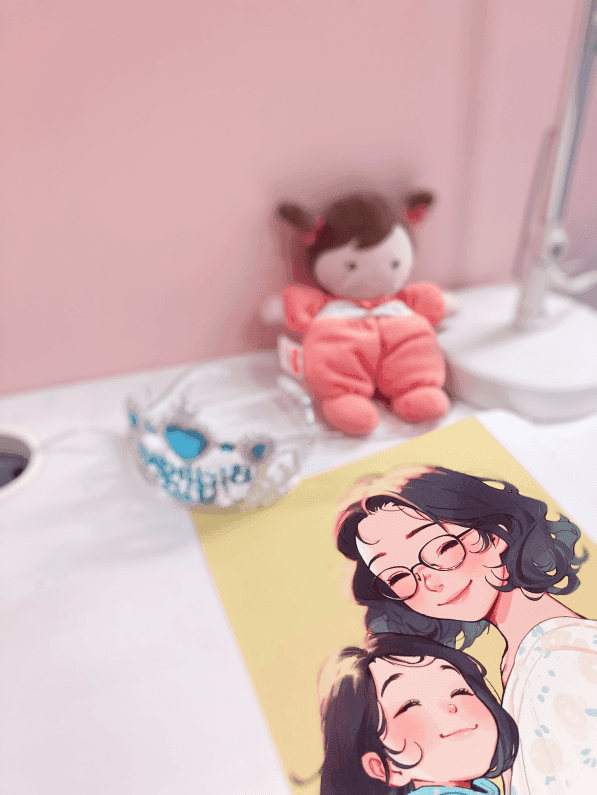
DESIGNING FOR FEELING
I designed this escape room as a tribute to mothers fighting for their children. The experience begins with playful discovery, but slowly reveals a story about maternal love, resilience and selfless devotion.
The mother's presence is never shown directly. Instead, it lives in the care placed into each object, the sequence of the puzzles and the final memories players uncover together.
VISUAL LANGUAGE
Pink is often associated with softness or excessive femininity. We used it differently: as a color of strength, care and emotional persistence. The room's pink world feels comforting at first, then becomes the visual language of a mother's determination to give her child a warm and memorable childhood.
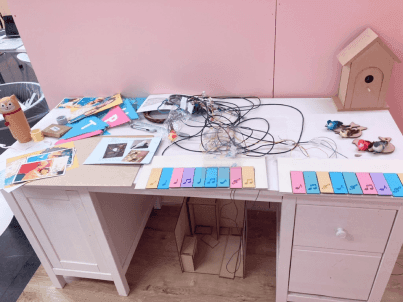
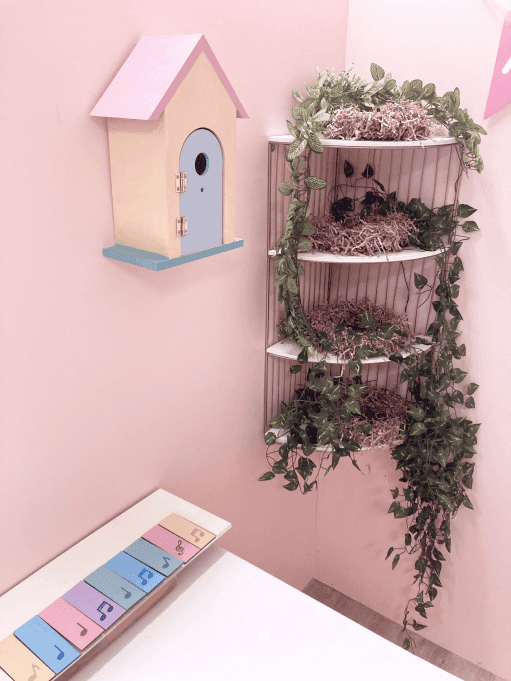
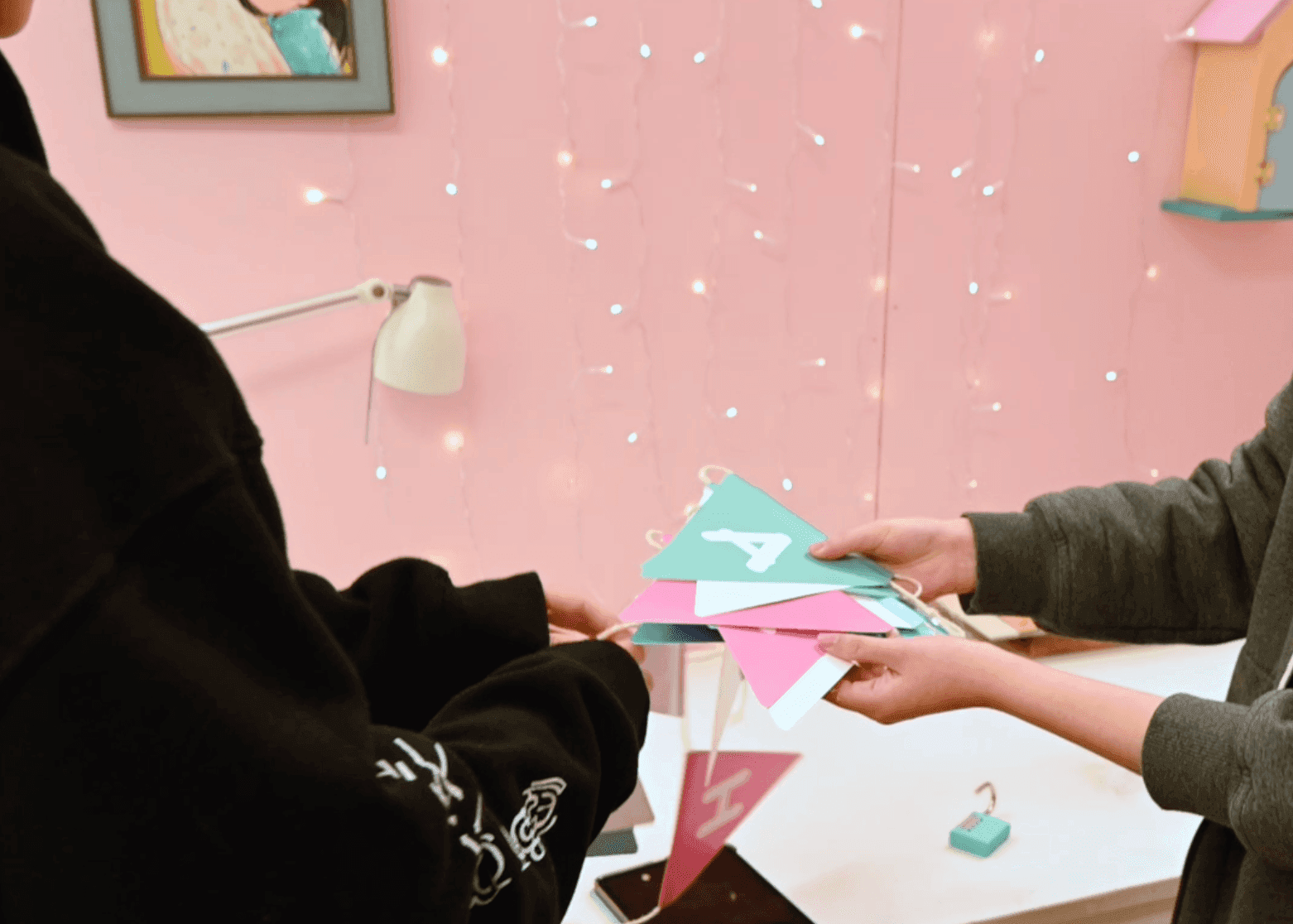
INSIDE THE EXPERIENCE
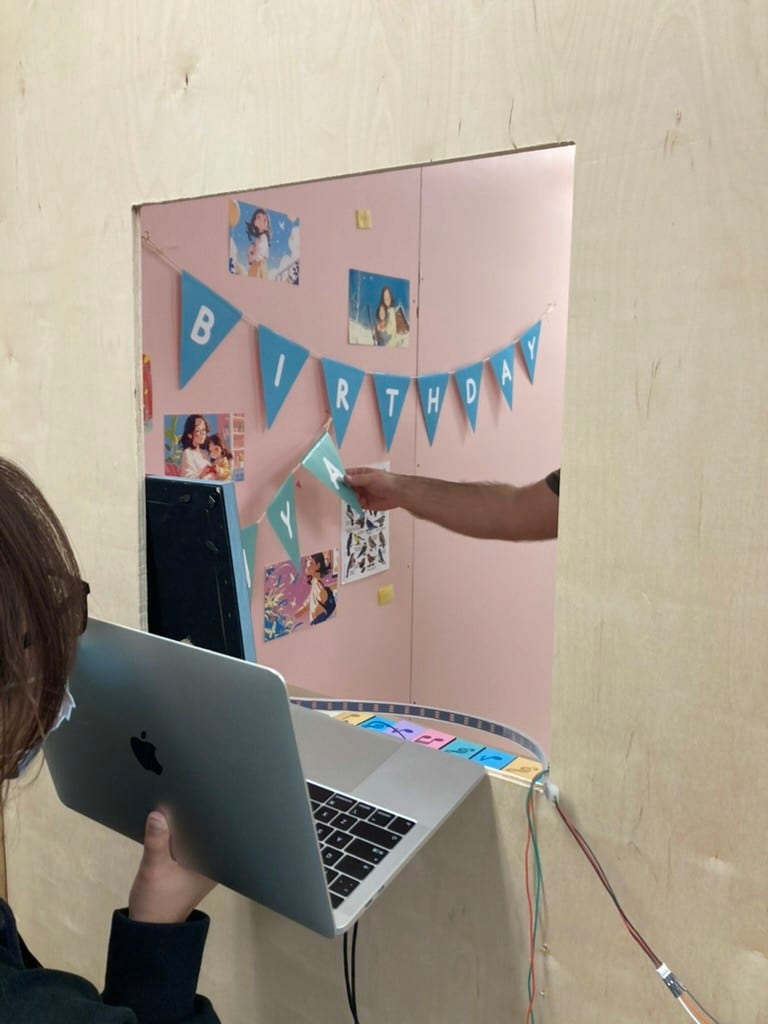
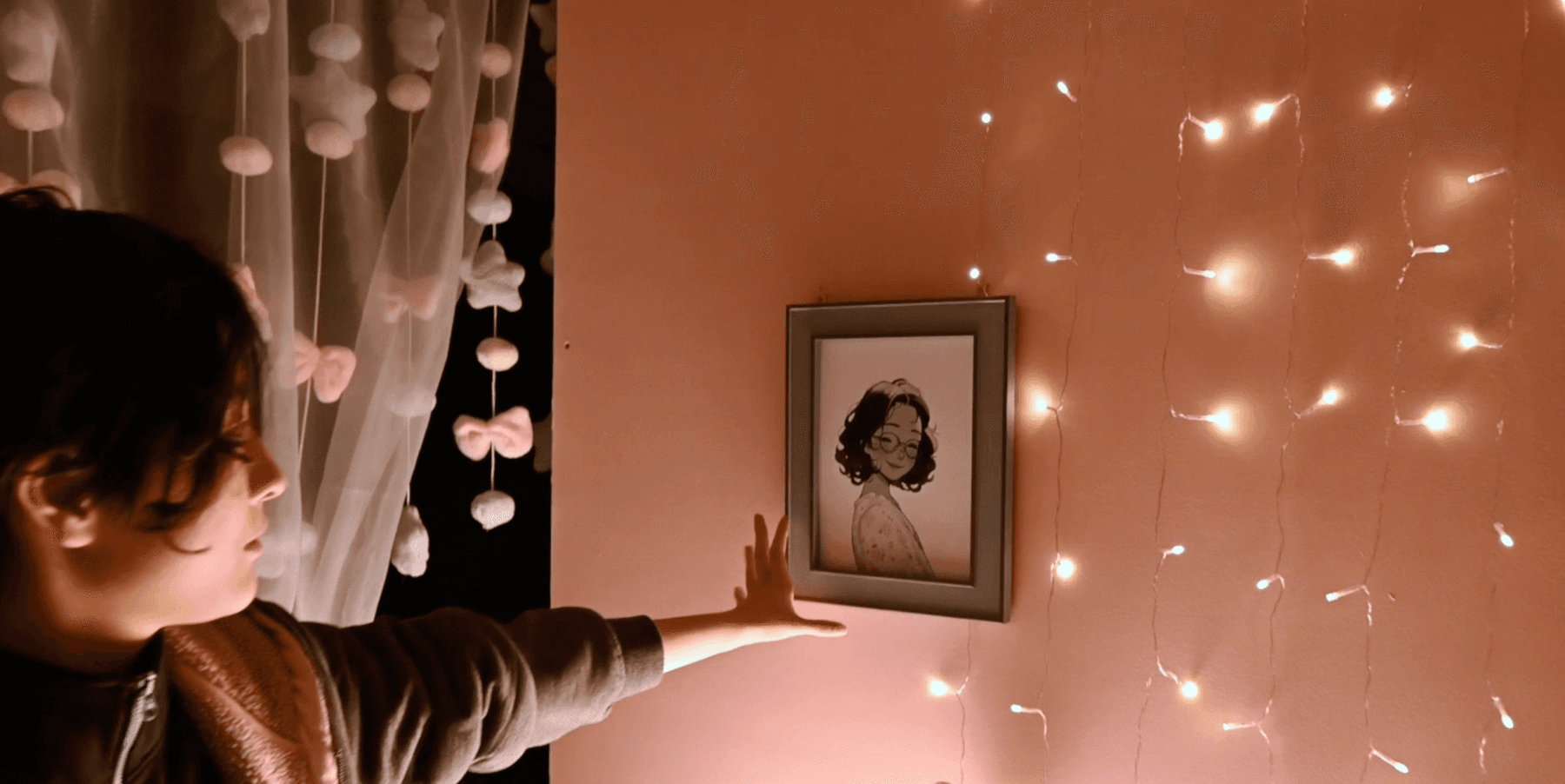
Players move from playful, recognizable objects toward a more personal understanding of Saya and her mother. Butterflies, music, light and family photographs work as both puzzle material and emotional evidence.
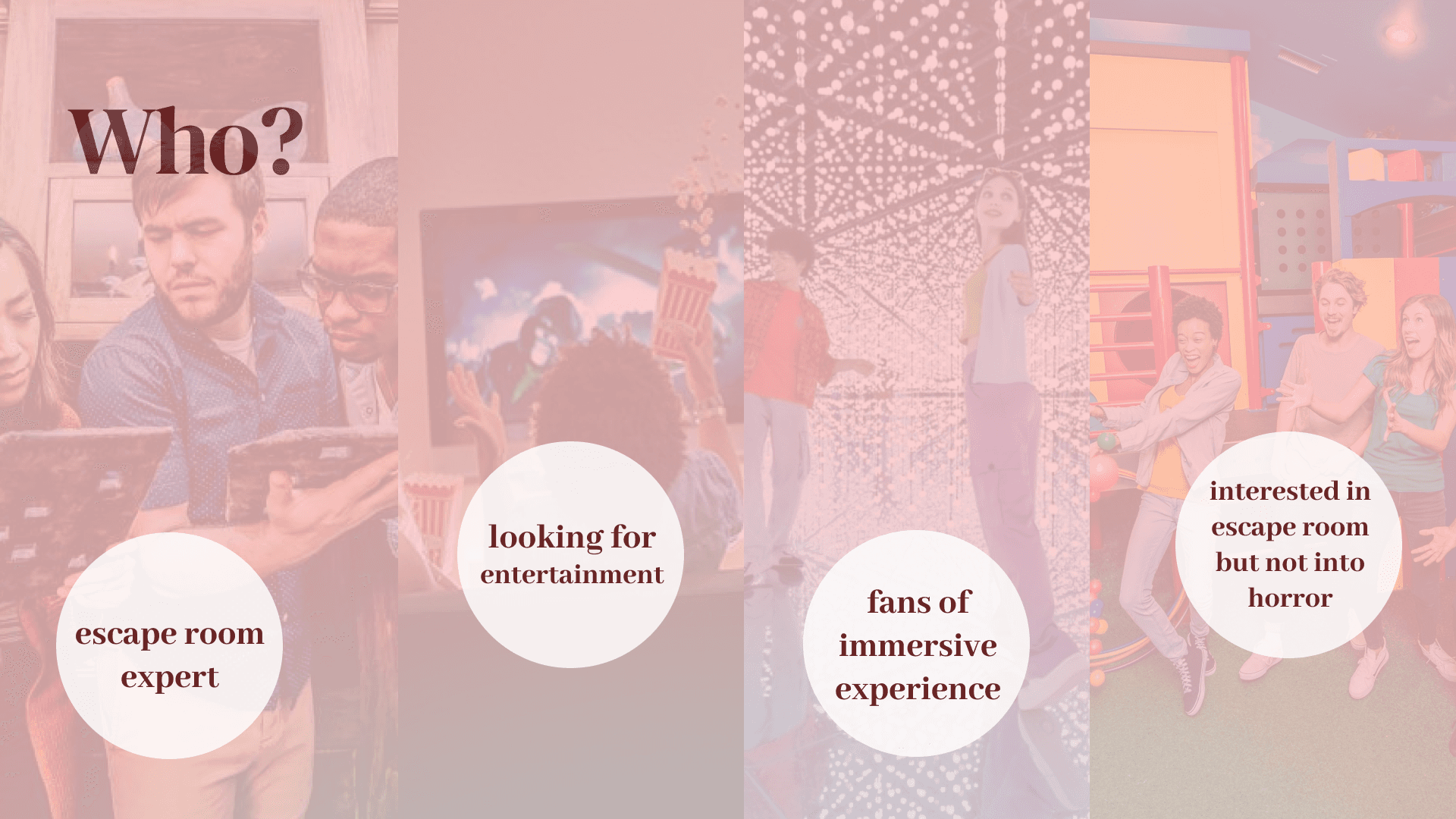
WHO WE DESIGNED FOR
ITERATION
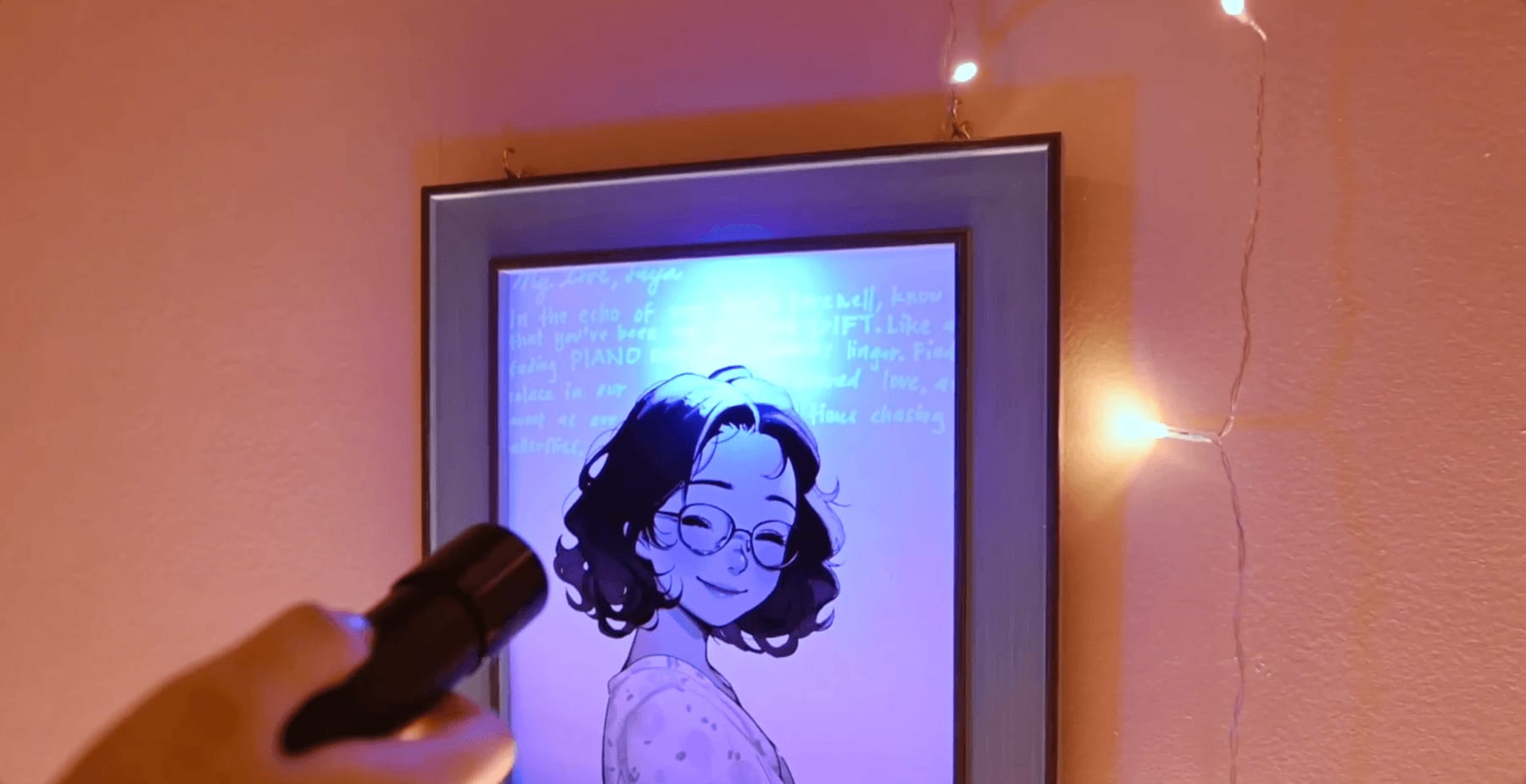
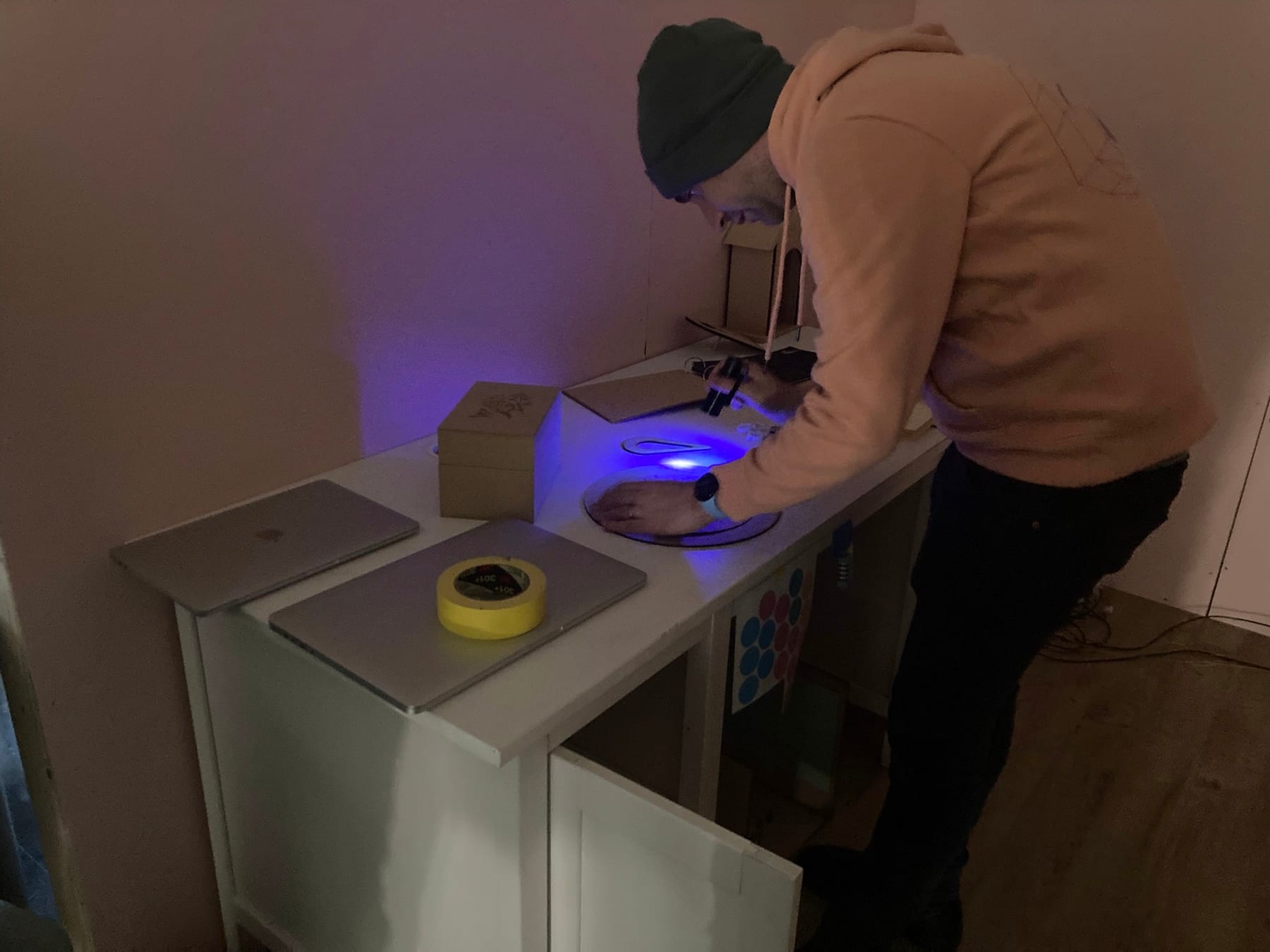
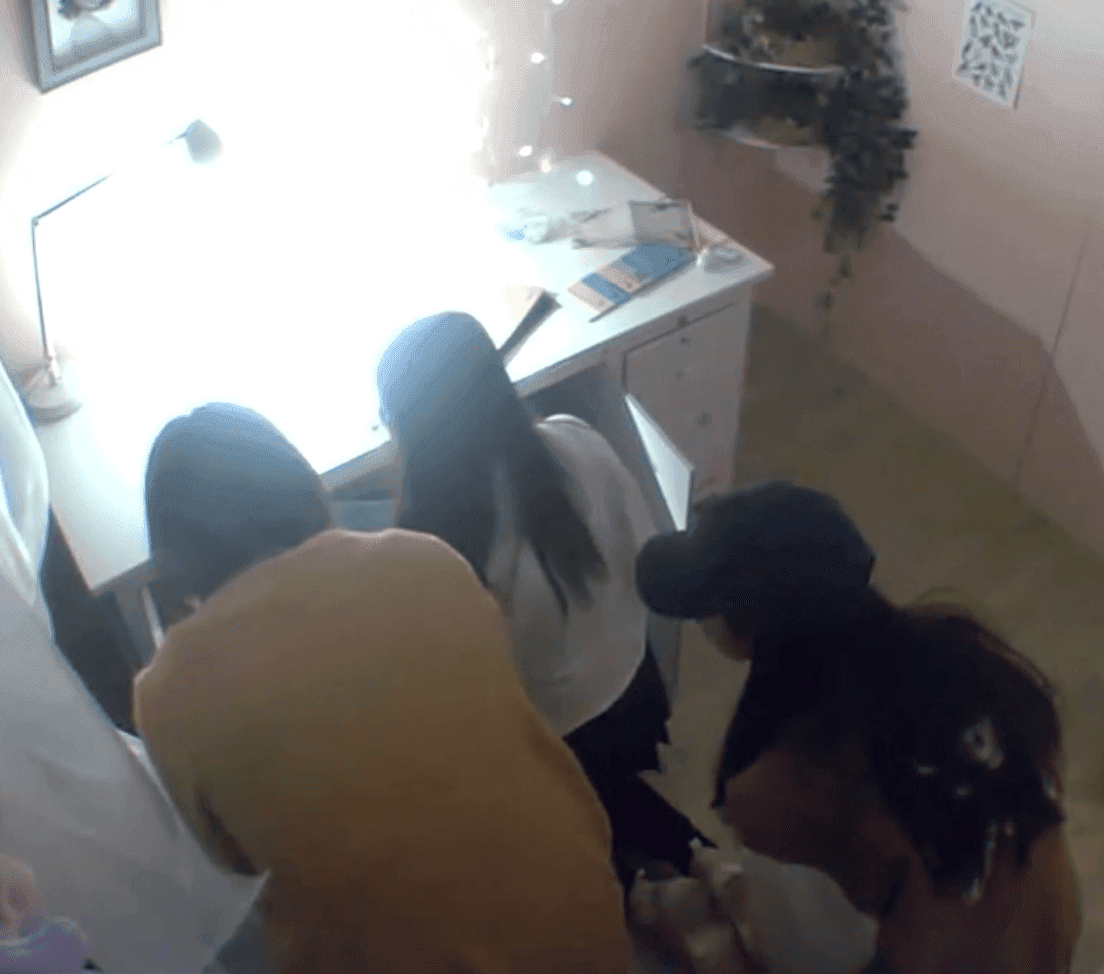
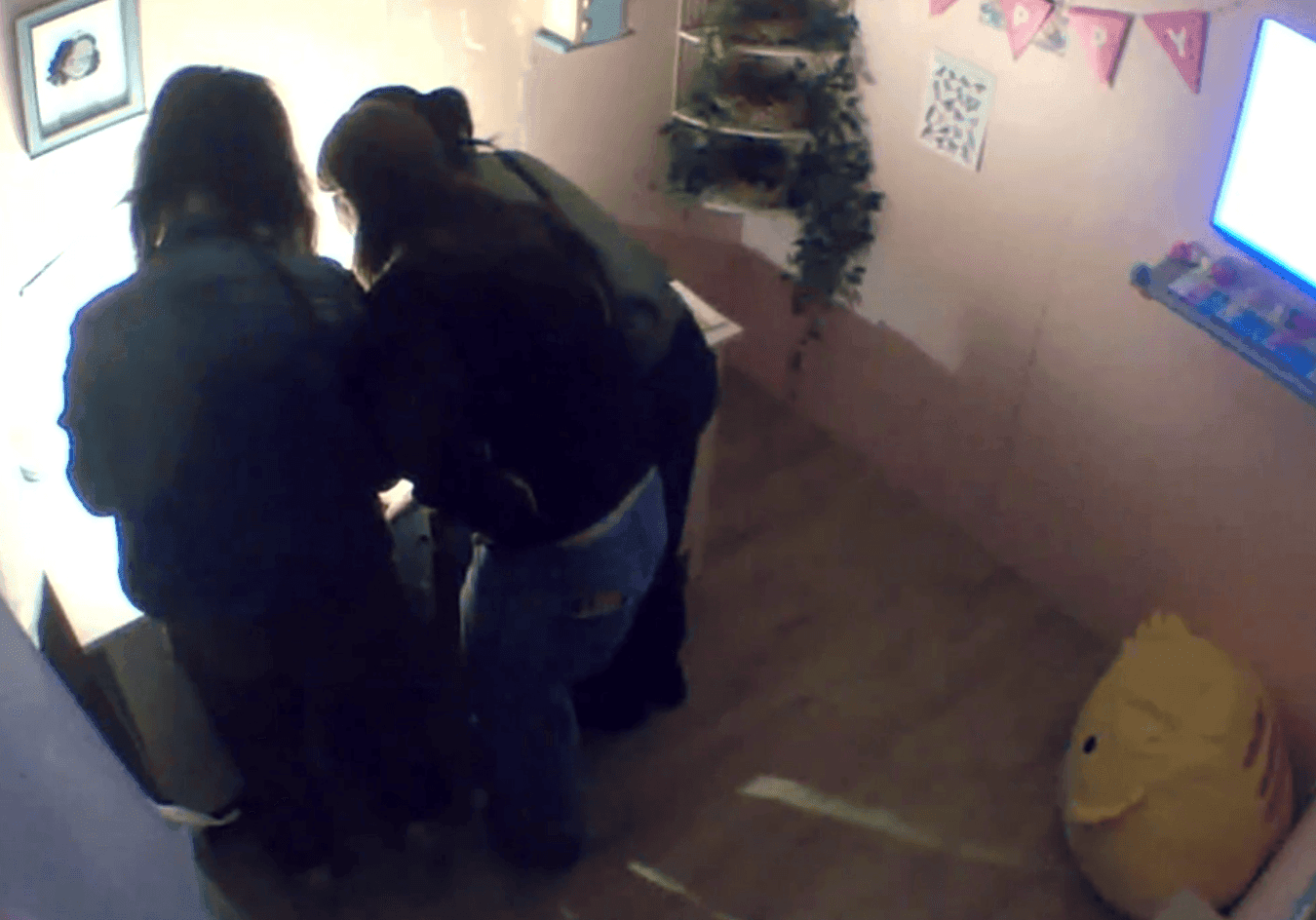
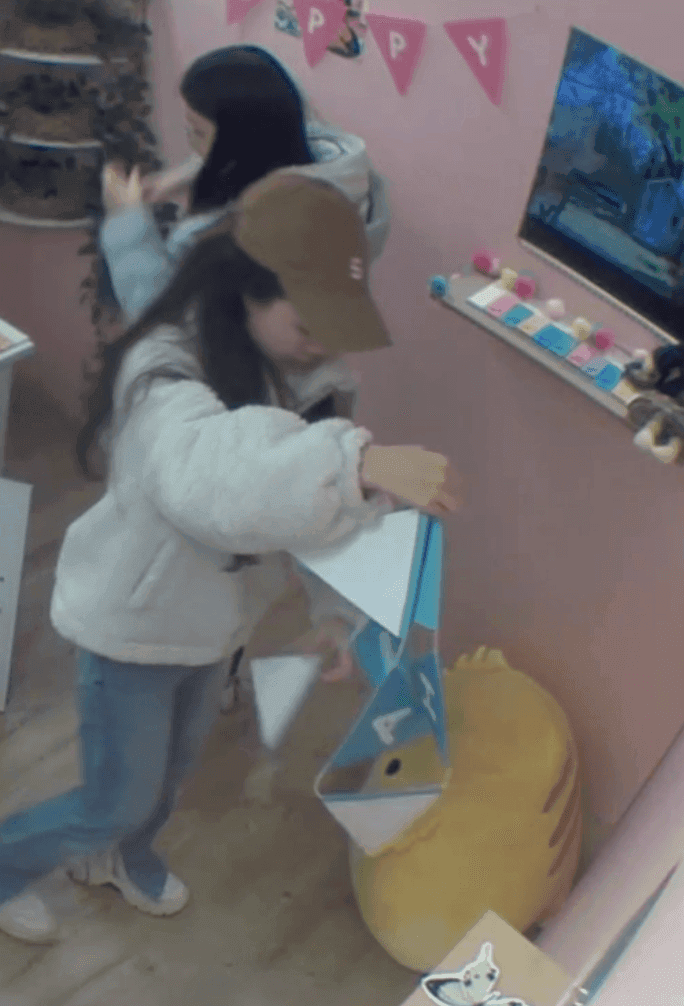
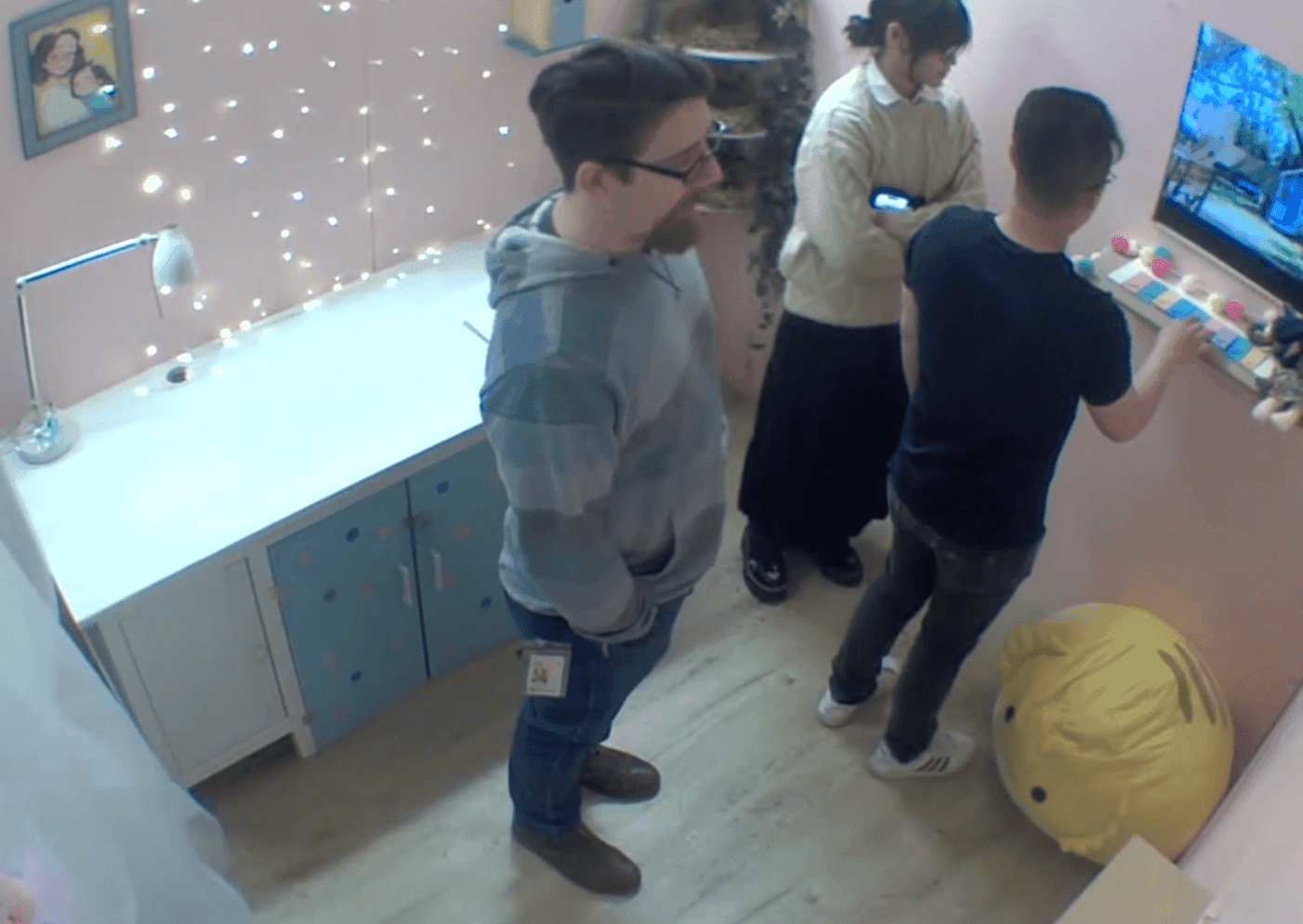
Testing showed where the experience needed stronger visual cues and clearer physical feedback. Players sometimes missed the first puzzle, the toy house and the black-light flashlight. We responded by adding brighter indicators, improving the order of clues and making the photo frame and letter-lock interactions easier to recognize.
We also clarified the final story reveal. New prompts from the Game Master, a stronger connection between the actor and Saya's mother, and clearer signals around the last memory box helped the narrative land without interrupting the flow of play.
WHAT PLAYERS FELT
“I could feel that something was here. A question I had at the beginning was answered later by the room.”
Mary Hawthorne
“I love the story. The room feels warm, and the ending made me think about my grandmother.”
Taoxi Liu
“The shift in the room was unexpected. It increased the playability and made the experience memorable.”
Alice Zhi